Is Starter Vape Kit Safe? Compared with Smoking — Where the money goes
Direct answer
Every major public health review that has compared the two places vaping well below smoking for harm, because combustion is what produces most of the toxic load in tobacco. That does not make vaping safe, and the comparison is meaningless for someone who does not smoke. Public Health England's 2015 evidence review estimated vaping at around 95% less harmful than smoking. Regulators publish periodic evidence reviews, and the wording of those reviews is a better guide than a marketing page. The honest summary is that risk is real, measurable and driven mostly by device condition and charging habits. Risk in this category is dominated by battery handling, liquid quality and device condition rather than by the presence of a heating element.
Most of what circulates about Starter Vape Kit is either a study abstract or a marketing line. This page works from the middle: what a test report shows, what it does not, and which question it leaves open.
How the risk compares with cigarettes
For Starter Vape Kit, the following is what can be checked rather than assumed. The widely cited estimate from Public Health England's 2015 review was that vaping is around 95% less harmful than smoking, a figure that has been debated but not overturned in direction. The comparison rests on the absence of tar and carbon monoxide, not on the absence of all risk. For a smoker who cannot quit, switching is a material reduction in exposure; for a never-smoker, it is a new exposure with no offsetting benefit.
- Combustion drives most of the toxic load
- The 95% estimate is about relative, not absolute, risk
- Switching benefits smokers who cannot quit
- Keep the device below the rated wattage
- Buy cells from a traceable batch
Where the money goes
For Starter Vape Kit, the useful answer depends on the conditions described below. The sticker price is the smallest part of the story. Hardware is a one-off, consumables are a subscription, and time spent cleaning, charging and hunting for spares is a real cost that never appears on an invoice. A 12-month view is the only honest way to compare two formats.
- Split one-off hardware from recurring consumables
- Price consumables at your actual usage rate
- Include time and shipping in the total
Data snapshot
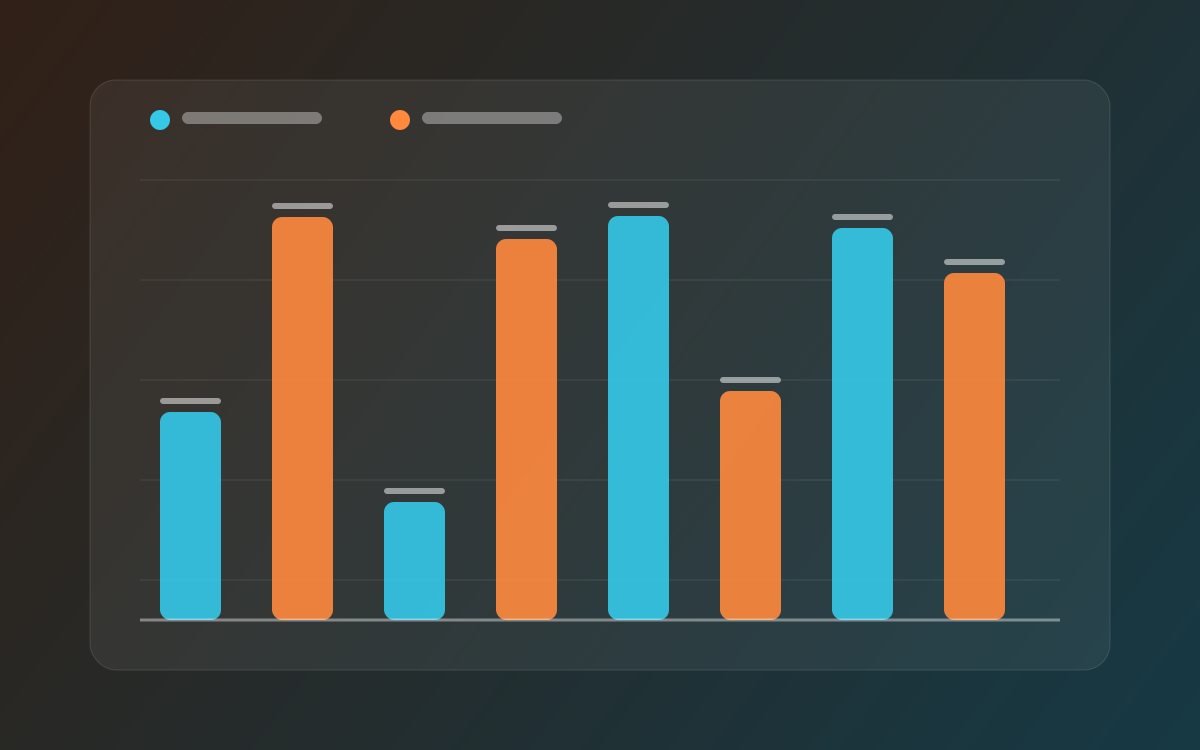
For Starter Vape Kit, this point decides how the rest of the risk picture reads. These are the measurements that show up in audits and returns analysis. Where a range is wide, the difference is usually explained by power setting and charging habit.
| Risk area | What to check | Evidence to ask for | Residual risk |
|---|---|---|---|
| Documentation | Model-to-report match | Test report with date and lab | Unverified claims |
| Battery integrity | Wrap, vent, protection circuit | UN38.3 and IEC 62133 reports | Thermal events |
| Charging path | Input rating, overcharge cut-off | 5V/1A adapter, protected board | Overheating and cell stress |
| Liquid composition | PG/VG ratio, flavourings, nicotine source | Safety data sheet, ingredient list | Irritation and sensitisation |
| Aerosol metals | Coil alloy and temperature | Lab aerosol test | Trace metal exposure |
Step by step
- Write down your daily puff count
- Convert the rated figure to days
- Price the consumables for 90 days
- Set a charging routine and stick to it
- Review the numbers after one month of real use
Buyer notes
The useful question is not whether a product is safe in the abstract but which specific risk is being controlled and how it is verified. Anyone handling stock should know the difference between a compliance document and a certificate of conformity issued without testing. A dated test report and a traceable batch number do more for safety than any label wording.
Questions people ask
What decides compared with smoking for is starter vape kit safe??
Public Health England's 2015 evidence review estimated vaping at around 95% less harmful than smoking. Compare with smoking, not with clean air.
What does the aerosol actually contain?
Typically propylene glycol, vegetable glycerin, nicotine, flavourings and trace metals from the coil. The exact mix depends on the liquid, the power setting and the condition of the coil.
Are there long-term studies?
Follow-up periods are still short compared with tobacco, so the honest position is that long-term effects are not fully characterised. Regulators publish periodic reviews as evidence accumulates.
How can a buyer verify a safety claim?
Ask for the test report behind it: standard used, laboratory, date, model number and the specific test item. A certificate without a matching model number proves very little.
Do nicotine strength and risk scale together?
Nicotine strength affects dependence and throat harshness more than acute harm at typical retail concentrations, but higher strength does mean more nicotine per puff, which matters for anyone monitoring intake.
Related guides
- Compared with Smoking ExplainedCompared with Smoking, with the figures and documents that decide it.
- Compared with Smoking in NumbersCompared with Smoking, with the figures and documents that decide it.
- Quitting Evidence Common MistakesQuitting Evidence, with the figures and documents that decide it.
- Storage & Child Safety Beginner GuideStorage & Child Safety, with the figures and documents that decide it.
- Disposal & Environment ExplainedDisposal & Environment, with the figures and documents that decide it.
- Disposal & Environment Cost BreakdownDisposal & Environment, with the figures and documents that decide it.
Regulatory and technical details on this page are a practical summary for buyers and operators, current as of 2026. Rules, limits and standards change; confirm the position with the relevant authority and with your supplier's documentation before shipping or selling.