Is Starter Vape Kit Safe? Disposal & Environment — Explained in plain English
Direct answer
A disposable unit is a lithium cell, a coil and a plastic shell in one sealed unit, which makes it hard to recycle and easy to landfill. Several markets now require retailers to take them back, and producer responsibility schemes are spreading. Battery collection schemes in the EU and UK require retailers above a size threshold to accept returns. Anyone handling stock should know the difference between a compliance document and a certificate of conformity issued without testing. Where the evidence is thin the guide says so, which is more useful than a confident claim. Risk in this category is dominated by battery handling, liquid quality and unit condition rather than by the presence of a heating element.
Most of what circulates about Starter Vape Kit is either a study abstract or a marketing line. This page works from the middle: what a test report shows, what it does not, and which question it leaves open.
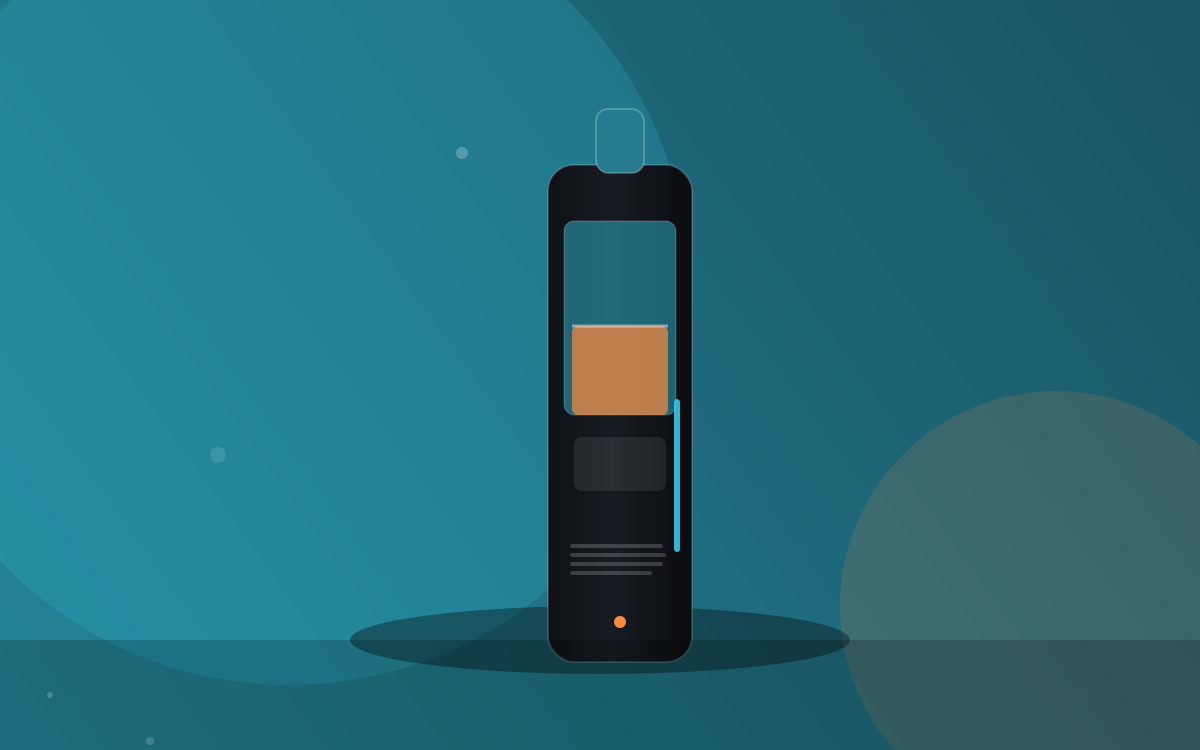
Batteries, plastic and take-back
For Starter Vape Kit, this point decides how the rest of the risk picture reads. Lithium cells in general waste can short in compaction and start fires in collection vehicles, which is why take-back exists. Refillable systems produce less battery waste per user because the cell is reused, though coils and bottles still accumulate. For a retailer, a visible returns box and a simple record of volumes is usually enough to satisfy both the scheme and the customer.
- Check producer-responsibility registration duties
- Never put cells in general waste
- Offer counter take-back for used devices
- Check the wrap on any removable cell
- Keep the device below the rated wattage
Explained in plain English
Read this in the context of Starter Vape Kit: the measurement conditions matter as much as the result. Strip away the packaging and the decision comes down to a short chain of cause and effect. Each part of the chain is measurable, which is why the same handful of questions keeps coming back from buyers, retailers and compliance teams. Work through the chain in order and the answer usually stops being a matter of taste.
- Name the mechanism before comparing the numbers
- Separate what the device does from what the operator does
- Check the claim against a document, not a product photo
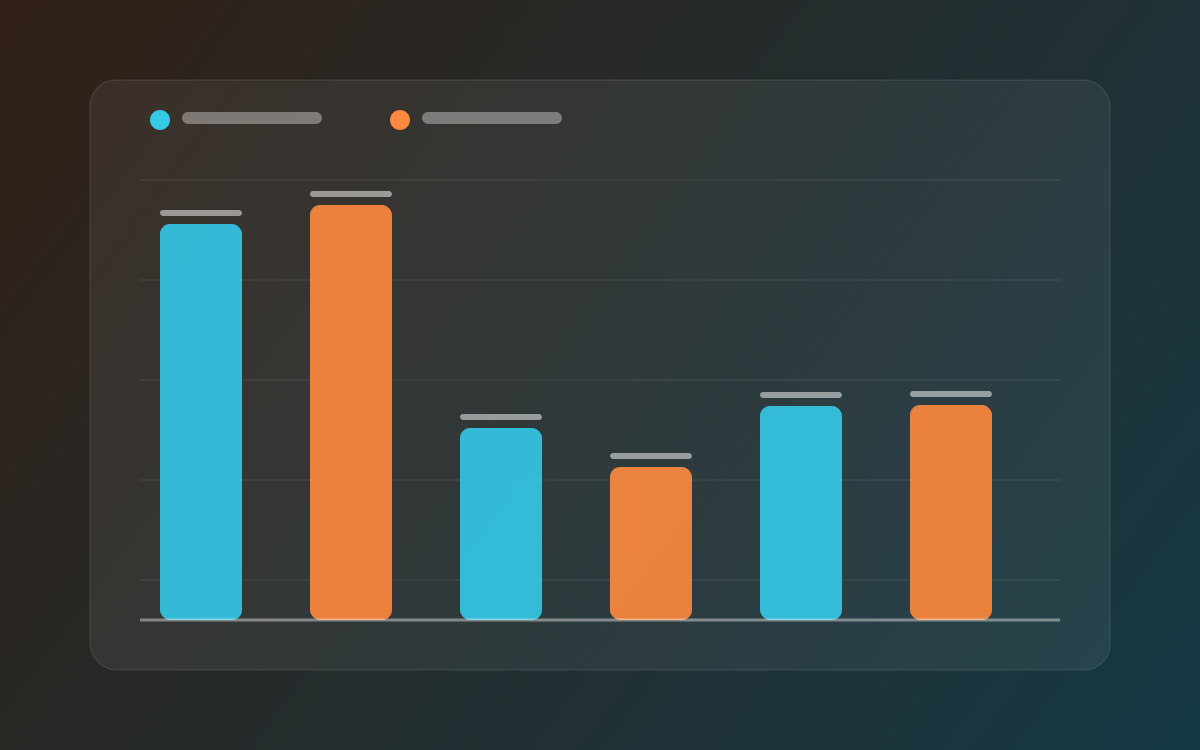
Numbers to work from
For Starter Vape Kit, the useful answer depends on the conditions described below. Read the table as a set of checks rather than a specification. The second column says what to measure, the last column says what goes wrong when it is ignored.
| Risk area | What to check | Evidence to ask for | Residual risk |
|---|---|---|---|
| Liquid composition | PG/VG ratio, flavourings, nicotine source | Safety data sheet, ingredient list | Irritation and sensitisation |
| Aerosol metals | Coil alloy and temperature | Lab aerosol test | Trace metal exposure |
| Device condition | Coil age, dry hits, residue | Maintenance schedule | Aldehyde formation |
| Age control | Verification at point of sale | ID check policy and logs | Youth access |
| Documentation | Model-to-report match | Test report with date and lab | Unverified claims |
Step by step
- Ask for the test report and read the test items
- Confirm the laboratory and the date
- Check packaging language
- Agree MOQ, lead time and payment terms in writing
- Book a pre-shipment inspection for the first order
Buyer notes
Regulators publish periodic evidence reviews, and the wording of those reviews is a better guide than a marketing page. Regulators publish periodic evidence reviews, and the wording of those reviews is a better guide than a marketing page. A dated test report and a traceable batch number do more for safety than any label wording.
Questions people ask
What decides disposal & environment for is starter vape kit safe??
Battery collection schemes in the EU and UK require retailers above a size threshold to accept returns. Never put cells in general waste.
How does this compare with smoking cigarettes?
Public health bodies in the UK and elsewhere describe vaping as substantially less harmful than smoking, while noting it is not risk-free. The comparison is with combustible tobacco, not with breathing clean air.
What does the aerosol actually contain?
Typically propylene glycol, vegetable glycerin, nicotine, flavourings and trace metals from the coil. The exact mix depends on the liquid, the power setting and the condition of the coil.
Are there long-term studies?
Follow-up periods are still short compared with tobacco, so the honest position is that long-term effects are not fully characterised. Regulators publish periodic reviews as evidence accumulates.
How can a buyer verify a safety claim?
Ask for the test report behind it: standard used, laboratory, date, model number and the specific test item. A certificate without a matching model number proves very little.
Related guides
- Disposal & Environment in NumbersDisposal & Environment, with the figures and documents that decide it.
- Disposal & Environment Beginner GuideDisposal & Environment, with the figures and documents that decide it.
- Disposal & Environment 2026 UpdateDisposal & Environment, with the figures and documents that decide it.
- CBD & THC Risks Cost BreakdownCBD & THC Risks, with the figures and documents that decide it.
- Heated Tobacco Risk Field NotesHeated Tobacco Risk, with the figures and documents that decide it.
- Official Health Advice Common MistakesOfficial Health Advice, with the figures and documents that decide it.
Regulatory and technical details on this page are a practical summary for buyers and operators, current as of 2026. Rules, limits and standards change; confirm the position with the relevant authority and with your supplier's documentation before shipping or selling.