Is Starter Vape Kit Safe? Compared with Smoking — The numbers and thresholds
Direct answer
Every major public health review that has compared the two places vaping well below smoking for harm, because combustion is what produces most of the toxic load in tobacco. That does not make vaping safe, and the comparison is meaningless for someone who does not smoke. Public Health England's 2015 evidence review estimated vaping at around 95% less harmful than smoking. Regulators publish periodic evidence reviews, and the wording of those reviews is a better guide than a marketing page. The honest summary is that risk is real, measurable and driven mostly by device condition and charging habits. Regulators publish periodic evidence reviews, and the wording of those reviews is a better guide than a marketing page.
The honest starting point for Starter Vape Kit is that the evidence is strongest on short-term exposure and weakest on decades. That is not a reason to ignore the question; it is a reason to be precise about which part of it is being answered.
How the risk compares with cigarettes
Read this in the context of Starter Vape Kit: the measurement conditions matter as much as the result. The widely cited estimate from Public Health England's 2015 review was that vaping is around 95% less harmful than smoking, a figure that has been debated but not overturned in direction. The comparison rests on the absence of tar and carbon monoxide, not on the absence of all risk. For a smoker who cannot quit, switching is a material reduction in exposure; for a never-smoker, it is a new exposure with no offsetting benefit.
- Combustion drives most of the toxic load
- The 95% estimate is about relative, not absolute, risk
- Switching benefits smokers who cannot quit
- Read the ingredient list on the bottle
- Store liquid away from children and heat
The numbers and thresholds
On the question of whether Starter Vape Kit is safe, this is the evidence that carries most weight. Numbers only help when the units match. Watt-hours, millilitres, milligrams per millilitre and puff counts are four different measurements, and catalogues mix them freely. Convert everything to the same unit before you draw a conclusion, then hold the measurement conditions constant, because a rating taken at 40 puffs a day is not the same as one taken at 200.
- Convert puff ratings to days at your own rate
- Keep milligram per millilitre separate from total nicotine
- Ask for the test conditions behind any rating
Data snapshot
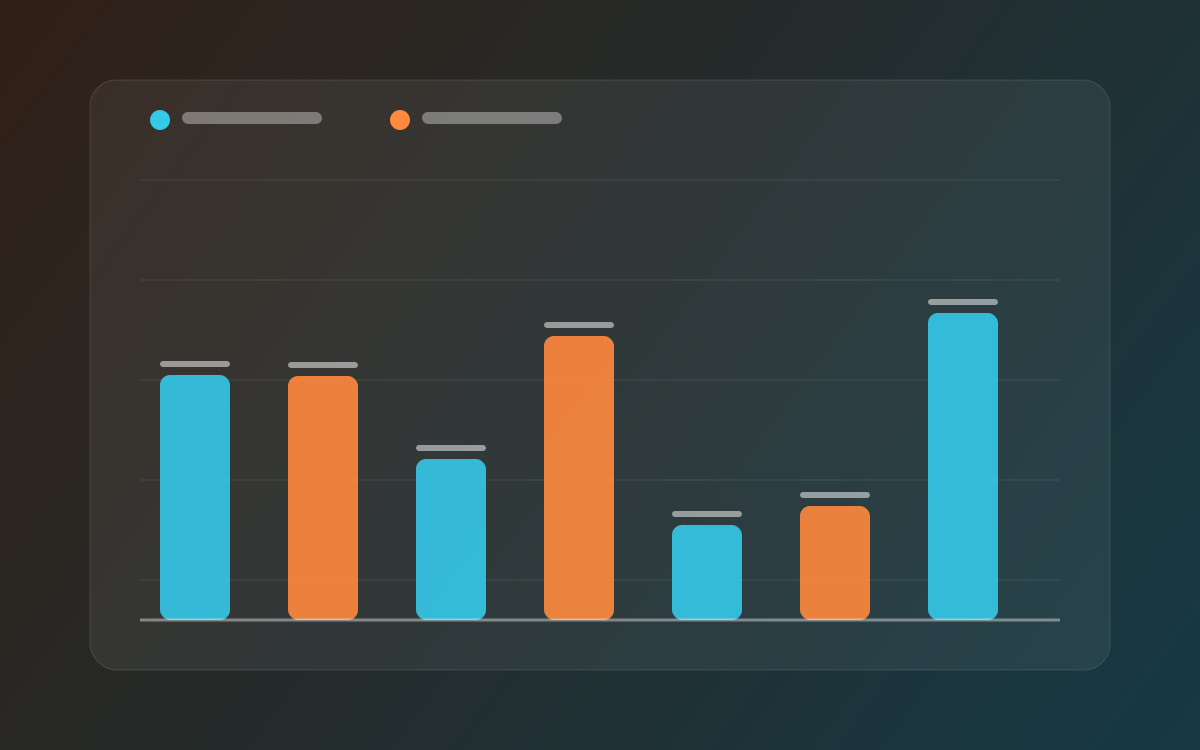
Against the wider Starter Vape Kit evidence, this is the narrowest but most useful finding. The table condenses the figures and documents that change a purchasing decision. Treat the ranges as typical as typical rather than fixed, and ask the supplier to confirm the values that apply to your model.
| Risk area | What to check | Evidence to ask for | Residual risk |
|---|---|---|---|
| Charging path | Input rating, overcharge cut-off | 5V/1A adapter, protected board | Overheating and cell stress |
| Liquid composition | PG/VG ratio, flavourings, nicotine source | Safety data sheet, ingredient list | Irritation and sensitisation |
| Aerosol metals | Coil alloy and temperature | Lab aerosol test | Trace metal exposure |
| Device condition | Coil age, dry hits, residue | Maintenance schedule | Aldehyde formation |
| Age control | Verification at point of sale | ID check policy and logs | Youth access |
Step by step
- Write down your daily puff count
- Convert the rated figure to days
- Price the consumables for 90 days
- Set a charging routine and stick to it
- Review the numbers after one month of real use
What this means day to day
Risk in this category is dominated by battery handling, liquid quality and device condition rather than by the presence of a heating element. Documentation separates a claim from a fact: model number, test standard, laboratory and date are the four fields that matter. Where the evidence is thin the guide says so, which is more useful than a confident claim.
Questions people ask
What decides compared with smoking for is starter vape kit safe??
Public Health England's 2015 evidence review estimated vaping at around 95% less harmful than smoking. Compare with smoking, not with clean air.
Is a certified product automatically safe?
No. Certification confirms the sample met a standard at a point in time. Consistency across production batches is a separate question answered by factory QC records.
Is the device itself the main risk?
Battery and charging faults account for most reported incidents, not the aerosol. Protected cells, a compliant charger and an unscratched wrap remove the majority of that risk.
How does this compare with smoking cigarettes?
Public health bodies in the UK and elsewhere describe vaping as substantially less harmful than smoking, while noting it is not risk-free. The comparison is with combustible tobacco, not with breathing clean air.
What does the aerosol actually contain?
Typically propylene glycol, vegetable glycerin, nicotine, flavourings and trace metals from the coil. The exact mix depends on the liquid, the power setting and the condition of the coil.
Related guides
- Compared with Smoking ExplainedCompared with Smoking, with the figures and documents that decide it.
- Compared with Smoking Beginner GuideCompared with Smoking, with the figures and documents that decide it.
- Storage & Child Safety Beginner GuideStorage & Child Safety, with the figures and documents that decide it.
- CBD & THC Risks Buyer ChecklistCBD & THC Risks, with the figures and documents that decide it.
- Official Health Advice Common MistakesOfficial Health Advice, with the figures and documents that decide it.
- Nicotine Absorption Field NotesNicotine Absorption, with the figures and documents that decide it.
Regulatory and technical details on this page are a practical summary for buyers and operators, current as of 2026. Rules, limits and standards change; confirm the position with the relevant authority and with your supplier's documentation before shipping or selling.