Is Starter Vape Kit Safe? Storage & Child Safety — Explained in plain English
Direct answer
Child-resistant packaging is a legal requirement in most regulated markets, and it is not child-proof. The real control is height and lock: liquids and charged devices belong out of reach and out of sight, not on a bedside table. Nicotine liquid is a poisoning risk in small volumes. A 10 ml bottle at 20 mg/ml holds about 200 mg of nicotine, enough to seriously harm a small child. Risk in this category is dominated by battery handling, liquid quality and device condition rather than by the presence of a heating element. Where the evidence is thin the guide says so, which is more useful than a confident claim.
For anyone asking whether Starter Vape Kit is safe, the part most often skipped is that device and liquid are separate variables. A document covering one says nothing about the other, and the risk profile changes with power setting and coil condition.
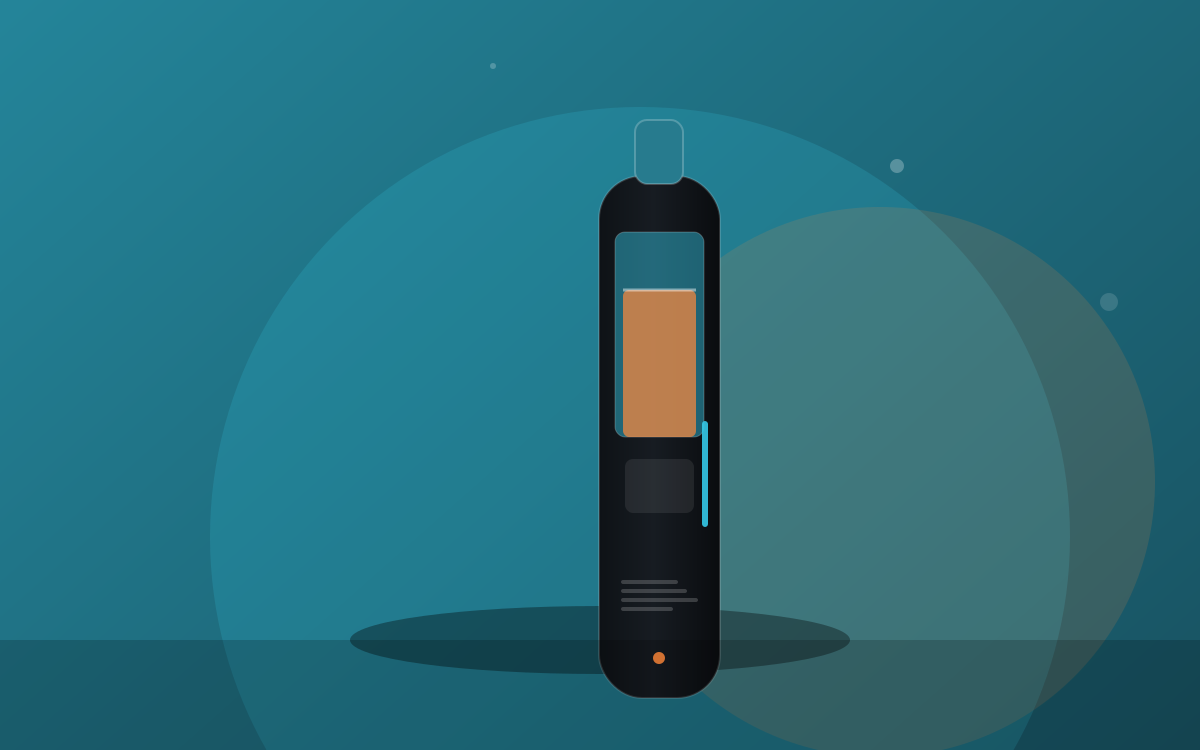
Storing devices and liquids safely
Against the wider Starter Vape Kit evidence, this is the narrowest but most useful finding. A 10 ml bottle at 20 mg/ml contains 200 mg of nicotine, which is a serious exposure for a small child. Devices add a second risk: a charged cell in a hot car or in direct sun. Storage should be cool, dry, away from sunlight, and physically separated from food and medication. Spent bottles should be closed and disposed of properly rather than left in a bin bag.
- Keep the child-resistant cap fitted
- Never decant into a drinks bottle
- Keep the local poison control number to hand
- Store liquid away from children and heat
- Check the wrap on any removable cell
Explained in plain English
This is the part of the Starter Vape Kit question that a product page usually leaves out. Strip away the packaging and the decision comes down to a short chain of cause and effect. Each part of the chain is measurable, which is why the same handful of questions keeps coming back from buyers, retailers and compliance teams. Work through the chain in order and the answer usually stops being a matter of taste.
- Name the mechanism before comparing the numbers
- Separate what the device does from what the operator does
- Check the claim against a document, not a product photo

Reference table
Against the wider Starter Vape Kit evidence, this is the narrowest but most useful finding. Figures are stated in the units a buyer sees on a quotation, so they can be compared without conversion.
| Risk area | What to check | Evidence to ask for | Residual risk |
|---|---|---|---|
| Age control | Verification at point of sale | ID check policy and logs | Youth access |
| Documentation | Model-to-report match | Test report with date and lab | Unverified claims |
| Battery integrity | Wrap, vent, protection circuit | UN38.3 and IEC 62133 reports | Thermal events |
| Charging path | Input rating, overcharge cut-off | 5V/1A adapter, protected board | Overheating and cell stress |
| Liquid composition | PG/VG ratio, flavourings, nicotine source | Safety data sheet, ingredient list | Irritation and sensitisation |
Step by step
- Inspect the carton for compression damage
- Check the security seal and batch code
- Verify the coil or pod resistance marking
- Run a leak test on the first unit
- Log the batch in your stock record
Buyer notes
Regulators publish periodic evidence reviews, and the wording of those reviews is a better guide than a marketing page. Risk in this category is dominated by battery handling, liquid quality and device condition rather than by the presence of a heating element. Where the evidence is thin the guide says so, which is more useful than a confident claim.
Questions people ask
What decides storage & child safety for is starter vape kit safe??
A 10 ml bottle at 20 mg/ml holds about 200 mg of nicotine, enough to seriously harm a small child. Keep liquids locked and out of reach.
Is the device itself the main risk?
Battery and charging faults account for most reported incidents, not the aerosol. Protected cells, a compliant charger and an unscratched wrap remove the majority of that risk.
How does this compare with smoking cigarettes?
Public health bodies in the UK and elsewhere describe vaping as substantially less harmful than smoking, while noting it is not risk-free. The comparison is with combustible tobacco, not with breathing clean air.
What does the aerosol actually contain?
Typically propylene glycol, vegetable glycerin, nicotine, flavourings and trace metals from the coil. The exact mix depends on the liquid, the power setting and the condition of the coil.
Are there long-term studies?
Follow-up periods are still short compared with tobacco, so the honest position is that long-term effects are not fully characterised. Regulators publish periodic reviews as evidence accumulates.
Related guides
- Storage & Child Safety in NumbersStorage & Child Safety, with the figures and documents that decide it.
- Storage & Child Safety Beginner GuideStorage & Child Safety, with the figures and documents that decide it.
- Disposal & Environment Buyer ChecklistDisposal & Environment, with the figures and documents that decide it.
- CBD & THC Risks Cost BreakdownCBD & THC Risks, with the figures and documents that decide it.
- Official Health Advice in NumbersOfficial Health Advice, with the figures and documents that decide it.
- Recalls & Reporting Common MistakesRecalls & Reporting, with the figures and documents that decide it.
Regulatory and technical details on this page are a practical summary for buyers and operators, current as of 2026. Rules, limits and standards change; confirm the position with the relevant authority and with your supplier's documentation before shipping or selling.