Is Starter Vape Kit Safe? Recalls & Reporting — Mistakes that cause most problems
Direct answer
Recalls in this category usually involve a battery fault, a labelling error or an undeclared ingredient. Reporting duties fall on manufacturers, importers and sometimes retailers, and the obligation often starts the moment a risk is identified rather than when it is confirmed. Recall notices are published by the EU Safety Gate, the US FDA and the UK MHRA, and are searchable by brand. Regulators publish periodic evidence reviews, and the wording of those reviews is a better guide than a marketing page. A dated test report and a traceable batch number do more for safety than any label wording. Regulators publish periodic evidence reviews, and the wording of those reviews is a better guide than a marketing page.
Most of what circulates about Starter Vape Kit is either a study abstract or a marketing line. This page works from the middle: what a test report shows, what it does not, and which question it leaves open.
Recalls, incidents and reporting duties
Against the wider Starter Vape Kit evidence, this is the narrowest but most useful finding. A workable process has three parts: a batch-level traceability record, a named person responsible for safety issues, and a template notice that can go out within days. Regulators publish recall notices, and checking those lists before a purchase is a cheap way to avoid inheriting someone else's problem. For importers, a supplier with no recall procedure is a supplier with no quality system.
- Name a safety contact and a deputy
- Prepare a recall notice template in advance
- Check regulator recall lists before ordering
- Ask for the test report date, not the logo
- Read the ingredient list on the bottle
Mistakes that cause most problems
On the question of whether Starter Vape Kit is safe, this is the evidence that carries most weight. The majority of failures trace back to four habits: charging with the wrong adapter, filling past the mark, running a coil dry, and storing devices in a hot car. None of these are product defects, and all of them are cheaper to prevent than to refund. The pattern repeats across formats and price points.
- Charge from a standard 5V adapter, not a fast charger
- Leave an air gap when filling
- Prime a new coil before the first draw
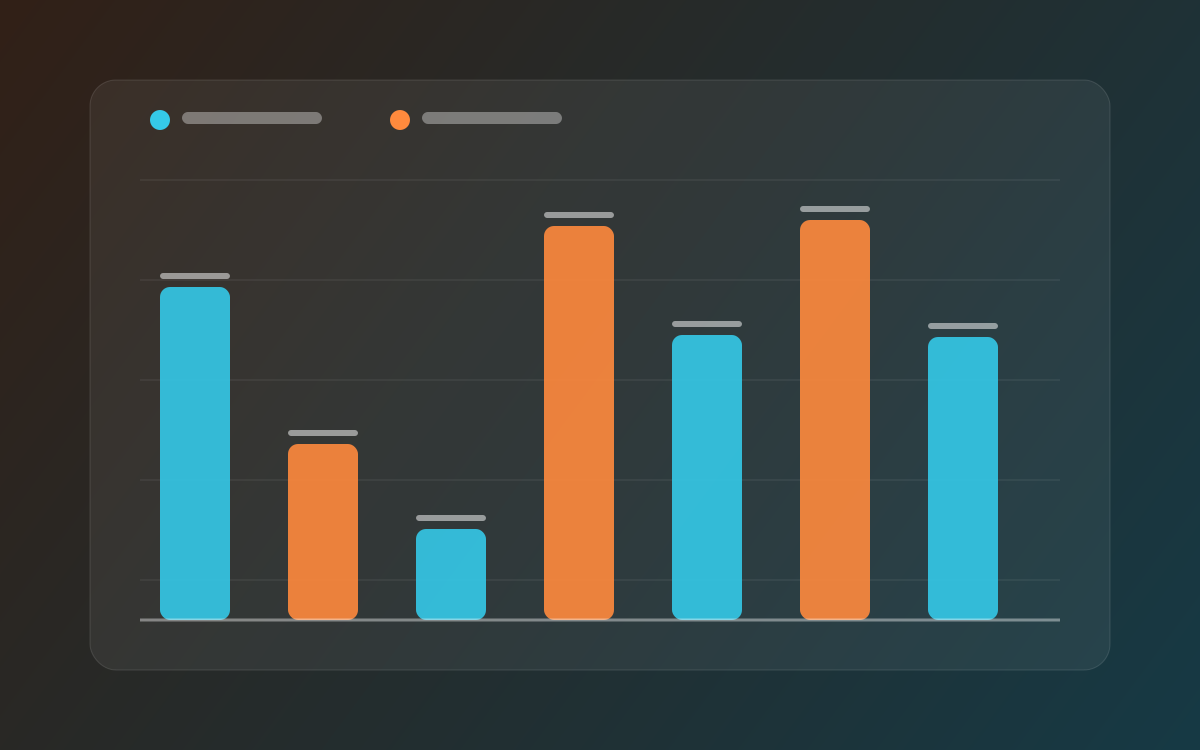
Data snapshot
For Starter Vape Kit, this point decides how the rest of the risk picture reads. The table condenses the figures and documents that change a purchasing decision. Treat the ranges as typical as typical rather than fixed, and ask the supplier to confirm the values that apply to your model.
| Risk area | What to check | Evidence to ask for | Residual risk |
|---|---|---|---|
| Aerosol metals | Coil alloy and temperature | Lab aerosol test | Trace metal exposure |
| Device condition | Coil age, dry hits, residue | Maintenance schedule | Aldehyde formation |
| Age control | Verification at point of sale | ID check policy and logs | Youth access |
| Documentation | Model-to-report match | Test report with date and lab | Unverified claims |
| Battery integrity | Wrap, vent, protection circuit | UN38.3 and IEC 62133 reports | Thermal events |
Step by step
- Write down your daily puff count
- Convert the rated figure to days
- Price the consumables for 90 days
- Set a charging routine and stick to it
- Review the numbers after one month of real use
What this means day to day
Risk in this category is dominated by battery handling, liquid quality and device condition rather than by the presence of a heating element. Documentation separates a claim from a fact: model number, test standard, laboratory and date are the four fields that matter. Where the evidence is thin the guide says so, which is more useful than a confident claim.
Questions people ask
What decides recalls & reporting for is starter vape kit safe??
Recall notices are published by the EU Safety Gate, the US FDA and the UK MHRA, and are searchable by brand. Keep batch-level traceability for every shipment.
What should a retailer keep on file?
Test reports, safety data sheets for liquids, batch records, age-verification policy and a recall contact. That file is what an inspector asks for first.
Is a certified product automatically safe?
No. Certification confirms the sample met a standard at a point in time. Consistency across production batches is a separate question answered by factory QC records.
Is the device itself the main risk?
Battery and charging faults account for most reported incidents, not the aerosol. Protected cells, a compliant charger and an unscratched wrap remove the majority of that risk.
How does this compare with smoking cigarettes?
Public health bodies in the UK and elsewhere describe vaping as substantially less harmful than smoking, while noting it is not risk-free. The comparison is with combustible tobacco, not with breathing clean air.
Related guides
- Recalls & Reporting ExplainedRecalls & Reporting, with the figures and documents that decide it.
- Recalls & Reporting in NumbersRecalls & Reporting, with the figures and documents that decide it.
- Nicotine Absorption Buyer ChecklistNicotine Absorption, with the figures and documents that decide it.
- Aerosol Chemistry Beginner GuideAerosol Chemistry, with the figures and documents that decide it.
- Battery & Thermal Risk in NumbersBattery & Thermal Risk, with the figures and documents that decide it.
- Charging & Overheating ExplainedCharging & Overheating, with the figures and documents that decide it.
Regulatory and technical details on this page are a practical summary for buyers and operators, current as of 2026. Rules, limits and standards change; confirm the position with the relevant authority and with your supplier's documentation before shipping or selling.