Is Starter Vape Kit Safe? Lung Function Studies — The numbers and thresholds
Direct answer
Short-term studies of lung function in vapers show small changes in airway resistance and inflammation markers, generally smaller than in smokers. The evidence is consistent in direction and limited in duration, and it does not establish long-term outcomes. Typical follow-up periods in published vaping lung studies run from days to a few years, not decades. Documentation separates a claim from a fact: model number, test standard, laboratory and date are the four fields that matter. Where the evidence is thin the guide says so, which is more useful than a confident claim. Risk in this category is dominated by battery handling, liquid quality and device condition rather than by the presence of a heating element.
The honest starting point for Starter Vape Kit is that the evidence is strongest on short-term exposure and weakest on decades. That is not a reason to ignore the question; it is a reason to be precise about which part of it is being answered.
What lung function research shows
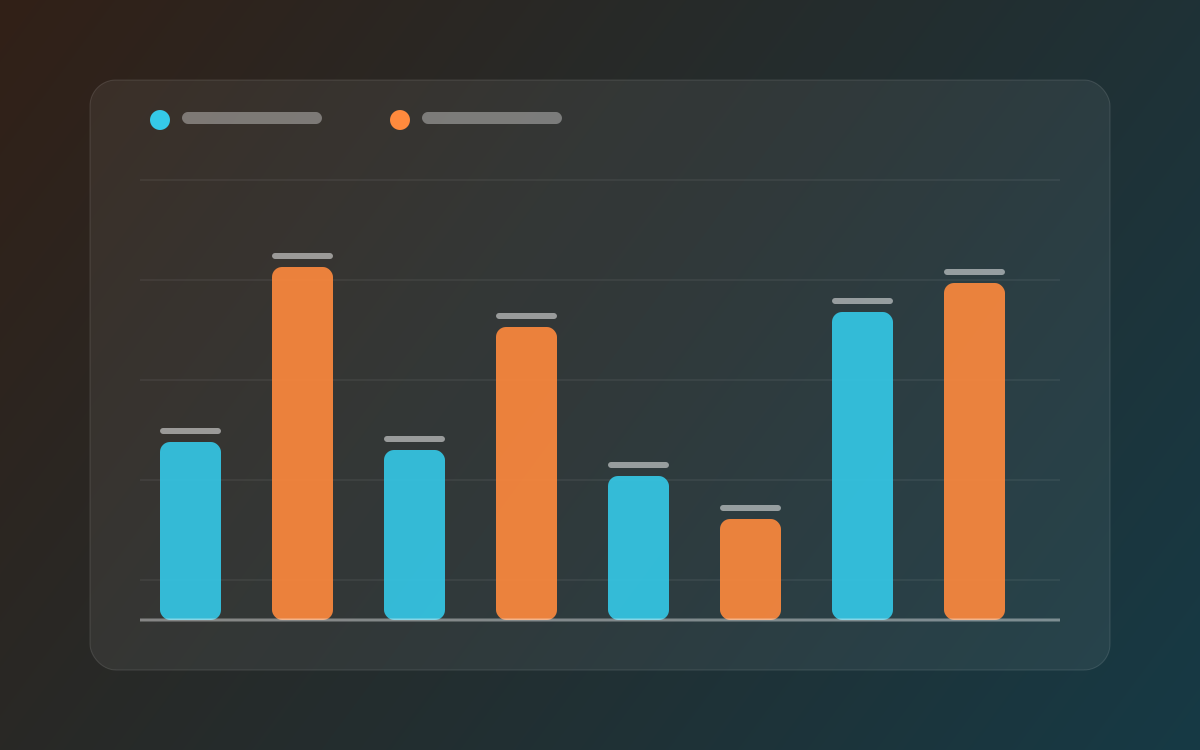
This is the part of the Starter Vape Kit question that a product page usually leaves out. Imaging and biomarker studies have reported airway irritation after acute exposure, particularly with high-power devices and certain flavourings. Population studies are complicated by former smokers, dual use and short follow-up. The defensible reading is that vaping causes measurable biological effects, that they appear smaller than smoking, and that the long-term picture is not settled.
- Treat 'no evidence of harm' as different from 'evidence of no harm'
- Watch for regulator reviews as they publish
- Distinguish short-term markers from disease outcomes
- Stop using a device that heats while idle
- Replace a coil at the first burnt taste
The numbers and thresholds
If the question is Starter Vape Kit, start here and work outward. Numbers only help when the units match. Watt-hours, millilitres, milligrams per millilitre and puff counts are four different measurements, and catalogues mix them freely. Convert everything to the same unit before you draw a conclusion, then hold the measurement conditions constant, because a rating taken at 40 puffs a day is not the same as one taken at 200.
- Convert puff ratings to days at your own rate
- Keep milligram per millilitre separate from total nicotine
- Ask for the test conditions behind any rating

Numbers to work from
This is the part of the Starter Vape Kit question that a product page usually leaves out. These are the measurements that show up in audits and returns analysis. Where a range is wide, the difference is usually explained by power setting and charging habit.
| Risk area | What to check | Evidence to ask for | Residual risk |
|---|---|---|---|
| Documentation | Model-to-report match | Test report with date and lab | Unverified claims |
| Battery integrity | Wrap, vent, protection circuit | UN38.3 and IEC 62133 reports | Thermal events |
| Charging path | Input rating, overcharge cut-off | 5V/1A adapter, protected board | Overheating and cell stress |
| Liquid composition | PG/VG ratio, flavourings, nicotine source | Safety data sheet, ingredient list | Irritation and sensitisation |
| Aerosol metals | Coil alloy and temperature | Lab aerosol test | Trace metal exposure |
Step by step
- Read the filling instructions once
- Prime the coil and wait
- Charge with a 5V adapter
- Keep the device out of hot cars
- Replace consumables on a schedule rather than on failure
Buyer notes
Anyone handling stock should know the difference between a compliance document and a certificate of conformity issued without testing. The useful question is not whether a product is safe in the abstract but which specific risk is being controlled and how it is verified. Where the evidence is thin the guide says so, which is more useful than a confident claim.
Questions people ask
What decides lung function studies for is starter vape kit safe??
Typical follow-up periods in published vaping lung studies run from days to a few years, not decades. Distinguish short-term markers from disease outcomes.
Are there long-term studies?
Follow-up periods are still short compared with tobacco, so the honest position is that long-term effects are not fully characterised. Regulators publish periodic reviews as evidence accumulates.
How can a buyer verify a safety claim?
Ask for the test report behind it: standard used, laboratory, date, model number and the specific test item. A certificate without a matching model number proves very little.
Do nicotine strength and risk scale together?
Nicotine strength affects dependence and throat harshness more than acute harm at typical retail concentrations, but higher strength does mean more nicotine per puff, which matters for anyone monitoring intake.
What should a retailer keep on file?
Test reports, safety data sheets for liquids, batch records, age-verification policy and a recall contact. That file is what an inspector asks for first.
Related guides
- Lung Function Studies ExplainedLung Function Studies, with the figures and documents that decide it.
- Lung Function Studies Beginner GuideLung Function Studies, with the figures and documents that decide it.
- Long-Term Evidence Common MistakesLong-Term Evidence, with the figures and documents that decide it.
- Second-Hand Aerosol 2026 UpdateSecond-Hand Aerosol, with the figures and documents that decide it.
- Quitting Evidence Beginner GuideQuitting Evidence, with the figures and documents that decide it.
- Storage & Child Safety Field NotesStorage & Child Safety, with the figures and documents that decide it.
Regulatory and technical details on this page are a practical summary for buyers and operators, current as of 2026. Rules, limits and standards change; confirm the position with the relevant authority and with your supplier's documentation before shipping or selling.