Is Starter Vape Kit Safe? Quitting Evidence — A beginner's starting point
Direct answer
Randomised trials have found that nicotine vaping helps some smokers quit, with results comparable to or better than nicotine replacement therapy in the trials published so far. Effect size depends on behavioural support, device type and how consistently the product is used. A 2021 Cochrane review found vaping more effective than NRT for quitting at six months or longer. Regulators publish periodic evidence reviews, and the wording of those reviews is a better guide than a marketing page. The honest summary is that risk is real, measurable and driven mostly by device condition and charging habits. Regulators publish periodic evidence reviews, and the wording of those reviews is a better guide than a marketing page.
For anyone asking whether Starter Vape Kit is safe, the part most often skipped is that device and liquid are separate variables. A document covering one says nothing about the other, and the risk profile changes with power setting and coil condition.
Switching, quitting and what trials show
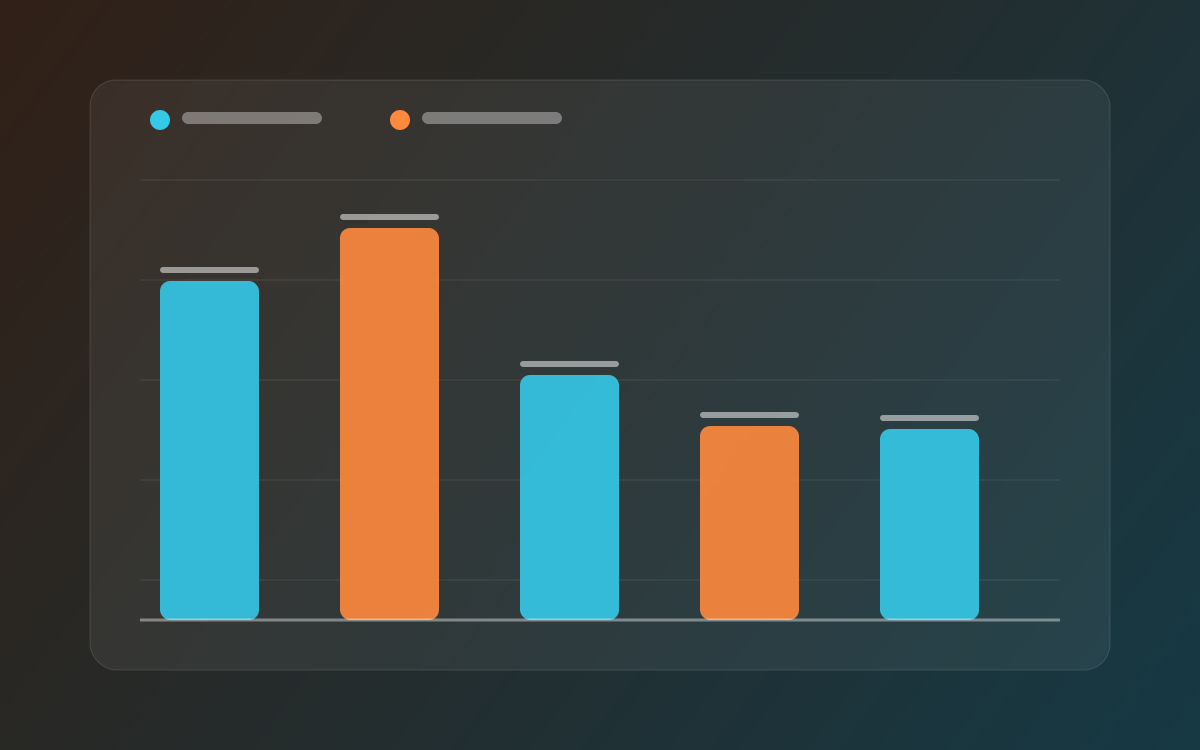
Against the wider Starter Vape Kit evidence, this is the narrowest but most useful finding. The pattern across trials is that vaping works better when it replaces cigarettes completely rather than partially, and when it is combined with counselling. Dual use, where cigarettes continue, delivers much less benefit because smoke exposure continues. Regulators differ on whether to frame vaping as a cessation tool, a reduced-risk product or neither, and that framing changes what is legal to claim.
- Combine with behavioural support where available
- Dual use keeps most of the smoke exposure
- Claims must match local advertising rules
- Keep the device below the rated wattage
- Buy cells from a traceable batch
A beginner's starting point
For Starter Vape Kit, the useful answer depends on the conditions described below. First-time buyers usually over-buy hardware and under-buy consumables. Start with one device, one spare pod or coil, and a liquid strength that matches how much you previously smoked. Give it a week before changing anything, because most early problems come from charging habits and draw technique rather than from the product itself.
- Buy one spare consumable before you need it
- Change one variable at a time
- Read the filling and charging instructions once, properly

Reference table
Against the wider Starter Vape Kit evidence, this is the narrowest but most useful finding. Read the table as a set of checks rather than a specification. The second column says what to measure, the last column says what goes wrong when it is ignored.
| Risk area | What to check | Evidence to ask for | Residual risk |
|---|---|---|---|
| Documentation | Model-to-report match | Test report with date and lab | Unverified claims |
| Battery integrity | Wrap, vent, protection circuit | UN38.3 and IEC 62133 reports | Thermal events |
| Charging path | Input rating, overcharge cut-off | 5V/1A adapter, protected board | Overheating and cell stress |
| Liquid composition | PG/VG ratio, flavourings, nicotine source | Safety data sheet, ingredient list | Irritation and sensitisation |
| Aerosol metals | Coil alloy and temperature | Lab aerosol test | Trace metal exposure |
Step by step
- Write down your daily puff count
- Convert the rated figure to days
- Price the consumables for 90 days
- Set a charging routine and stick to it
- Review the numbers after one month of real use
What this means day to day
The useful question is not whether a product is safe in the abstract but which specific risk is being controlled and how it is verified. The useful question is not whether a product is safe in the abstract but which specific risk is being controlled and how it is verified. Where the evidence is thin the guide says so, which is more useful than a confident claim.
Questions people ask
What decides quitting evidence for is starter vape kit safe??
A 2021 Cochrane review found vaping more effective than NRT for quitting at six months or longer. Complete switching matters more than device choice.
How does this compare with smoking cigarettes?
Public health bodies in the UK and elsewhere describe vaping as substantially less harmful than smoking, while noting it is not risk-free. The comparison is with combustible tobacco, not with breathing clean air.
What does the aerosol actually contain?
Typically propylene glycol, vegetable glycerin, nicotine, flavourings and trace metals from the coil. The exact mix depends on the liquid, the power setting and the condition of the coil.
Are there long-term studies?
Follow-up periods are still short compared with tobacco, so the honest position is that long-term effects are not fully characterised. Regulators publish periodic reviews as evidence accumulates.
How can a buyer verify a safety claim?
Ask for the test report behind it: standard used, laboratory, date, model number and the specific test item. A certificate without a matching model number proves very little.
Related guides
- Quitting Evidence ExplainedQuitting Evidence, with the figures and documents that decide it.
- Quitting Evidence in NumbersQuitting Evidence, with the figures and documents that decide it.
- Storage & Child Safety Common MistakesStorage & Child Safety, with the figures and documents that decide it.
- Disposal & Environment Cost BreakdownDisposal & Environment, with the figures and documents that decide it.
- Heated Tobacco Risk ExplainedHeated Tobacco Risk, with the figures and documents that decide it.
- Official Health Advice Beginner GuideOfficial Health Advice, with the figures and documents that decide it.
Regulatory and technical details on this page are a practical summary for buyers and operators, current as of 2026. Rules, limits and standards change; confirm the position with the relevant authority and with your supplier's documentation before shipping or selling.