Is Starter Vape Kit Safe? CBD & THC Risks — The numbers and thresholds
Direct answer
Cannabinoid vapes carry the general risks of any vaping product plus two specific ones: unregulated concentrates and vitamin E acetate. The 2019 lung injury outbreak in the United States was linked primarily to illicit THC cartridges cut with vitamin E acetate, not to nicotine devices. Vitamin E acetate was identified by US CDC as a primary cause in the 2019 EVALI outbreak. The useful question is not whether a product is safe in the abstract but which specific risk is being controlled and how it is verified. The honest summary is that risk is real, measurable and driven mostly by device condition and charging habits.
With Starter Vape Kit, the useful distinction is between what is measured and what is claimed. Aerosol chemistry, cell behaviour and liquid composition each have their own evidence base, and each has a different weakness.
Cannabinoid vapes and their extra risks
This is the part of the Starter Vape Kit question that a product page usually leaves out. Legal status varies enormously, from fully regulated medical markets to outright prohibition, and the illicit segment is where the dangerous product sits. Diluents, synthetic cannabinoids and unlabelled potency are the practical hazards. Any product without a batch number, a lab panel and a lawful supply chain is a separate risk category from a regulated nicotine device.
- Avoid illicit cartridges entirely
- Vitamin E acetate is the known outbreak culprit
- Ask for a cannabinoid potency panel
- Replace a coil at the first burnt taste
- Ask for the test report date, not the logo
The numbers and thresholds
Against the wider Starter Vape Kit evidence, this is the narrowest but most useful finding. Numbers only help when the units match. Watt-hours, millilitres, milligrams per millilitre and puff counts are four different measurements, and catalogues mix them freely. Convert everything to the same unit before you draw a conclusion, then hold the measurement conditions constant, because a rating taken at 40 puffs a day is not the same as one taken at 200.
- Convert puff ratings to days at your own rate
- Keep milligram per millilitre separate from total nicotine
- Ask for the test conditions behind any rating
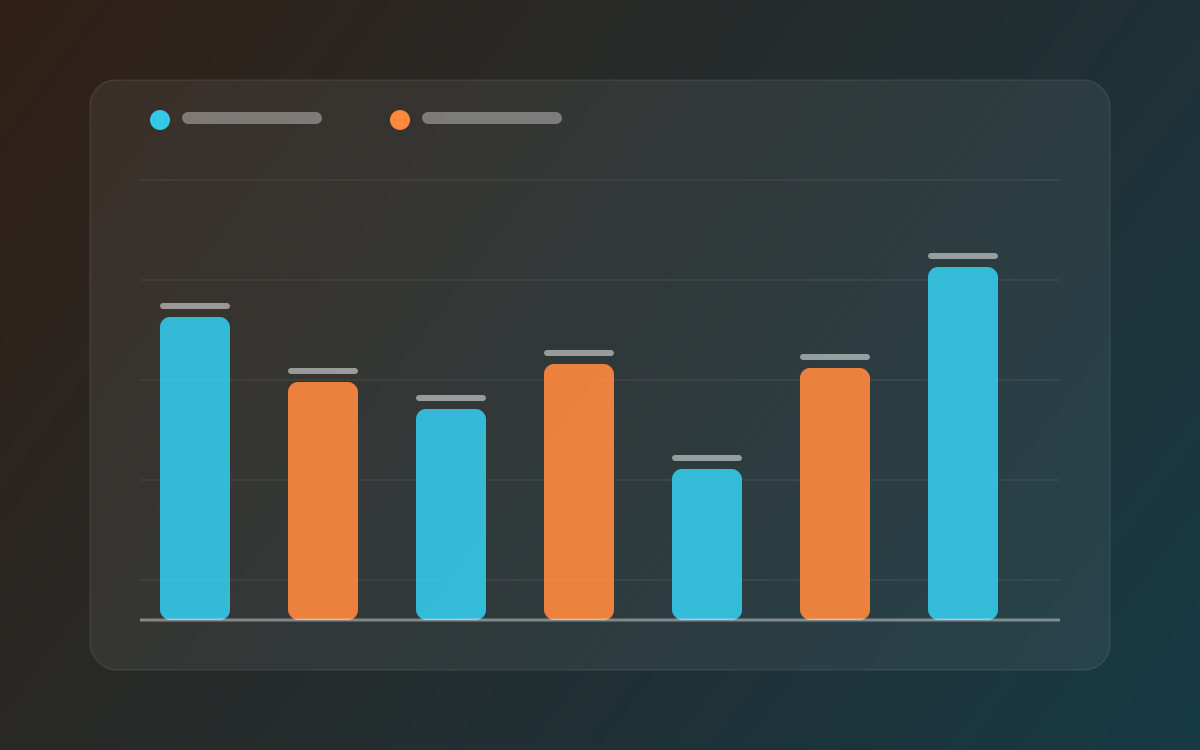
At a glance
For Starter Vape Kit, this point decides how the rest of the risk picture reads. Use this as a screening sheet. Anything the supplier cannot answer in these rows is a question to resolve before a purchase order, not after.
| Risk area | What to check | Evidence to ask for | Residual risk |
|---|---|---|---|
| Battery integrity | Wrap, vent, protection circuit | UN38.3 and IEC 62133 reports | Thermal events |
| Charging path | Input rating, overcharge cut-off | 5V/1A adapter, protected board | Overheating and cell stress |
| Liquid composition | PG/VG ratio, flavourings, nicotine source | Safety data sheet, ingredient list | Irritation and sensitisation |
| Aerosol metals | Coil alloy and temperature | Lab aerosol test | Trace metal exposure |
| Device condition | Coil age, dry hits, residue | Maintenance schedule | Aldehyde formation |
Step by step
- Confirm the destination market and the product category
- Check the current limit values for tank size, nicotine and packaging
- Match the model number to a test report
- Approve artwork and warning text before production
- Keep a batch record with the shipping documents
Practical notes
Documentation separates a claim from a fact: model number, test standard, laboratory and date are the four fields that matter. The useful question is not whether a product is safe in the abstract but which specific risk is being controlled and how it is verified. A dated test report and a traceable batch number do more for safety than any label wording.
Questions people ask
What decides cbd & thc risks for is starter vape kit safe??
Vitamin E acetate was identified by US CDC as a primary cause in the 2019 EVALI outbreak. Avoid illicit cartridges entirely.
Do nicotine strength and risk scale together?
Nicotine strength affects dependence and throat harshness more than acute harm at typical retail concentrations, but higher strength does mean more nicotine per puff, which matters for anyone monitoring intake.
What should a retailer keep on file?
Test reports, safety data sheets for liquids, batch records, age-verification policy and a recall contact. That file is what an inspector asks for first.
Is a certified product automatically safe?
No. Certification confirms the sample met a standard at a point in time. Consistency across production batches is a separate question answered by factory QC records.
Is the device itself the main risk?
Battery and charging faults account for most reported incidents, not the aerosol. Protected cells, a compliant charger and an unscratched wrap remove the majority of that risk.
Related guides
- CBD & THC Risks ExplainedCBD & THC Risks, with the figures and documents that decide it.
- CBD & THC Risks Beginner GuideCBD & THC Risks, with the figures and documents that decide it.
- Official Health Advice Buyer ChecklistOfficial Health Advice, with the figures and documents that decide it.
- Nicotine Absorption Field NotesNicotine Absorption, with the figures and documents that decide it.
- Battery & Thermal Risk 2026 UpdateBattery & Thermal Risk, with the figures and documents that decide it.
- Flavourings & Irritation in NumbersFlavourings & Irritation, with the figures and documents that decide it.
Regulatory and technical details on this page are a practical summary for buyers and operators, current as of 2026. Rules, limits and standards change; confirm the position with the relevant authority and with your supplier's documentation before shipping or selling.