Is Starter Vape Kit Safe? CBD & THC Risks — Explained in plain English
Direct answer
Cannabinoid vapes carry the general risks of any vaping product plus two specific ones: unregulated concentrates and vitamin E acetate. The 2019 lung injury outbreak in the United States was linked primarily to illicit THC cartridges cut with vitamin E acetate, not to nicotine devices. Vitamin E acetate was identified by US CDC as a primary cause in the 2019 EVALI outbreak. The useful question is not whether a product is safe in the abstract but which specific risk is being controlled and how it is verified. The honest summary is that risk is real, measurable and driven mostly by device condition and charging habits.
Risk with Starter Vape Kit concentrates in a short list: cell condition, charging path, coil condition and liquid quality. Everything else on a specification sheet is secondary to those four, which is why they lead below.
Cannabinoid vapes and their extra risks
On the question of whether Starter Vape Kit is safe, this is the evidence that carries most weight. Legal status varies enormously, from fully regulated medical markets to outright prohibition, and the illicit segment is where the dangerous product sits. Diluents, synthetic cannabinoids and unlabelled potency are the practical hazards. Any product without a batch number, a lab panel and a lawful supply chain is a separate risk category from a regulated nicotine device.
- Avoid illicit cartridges entirely
- Vitamin E acetate is the known outbreak culprit
- Ask for a cannabinoid potency panel
- Store liquid away from children and heat
- Check the wrap on any removable cell
Explained in plain English
This is the part of the Starter Vape Kit question that a product page usually leaves out. Strip away the packaging and the decision comes down to a short chain of cause and effect. Each part of the chain is measurable, which is why the same handful of questions keeps coming back from buyers, retailers and compliance teams. Work through the chain in order and the answer usually stops being a matter of taste.
- Name the mechanism before comparing the numbers
- Separate what the device does from what the operator does
- Check the claim against a document, not a product photo
At a glance
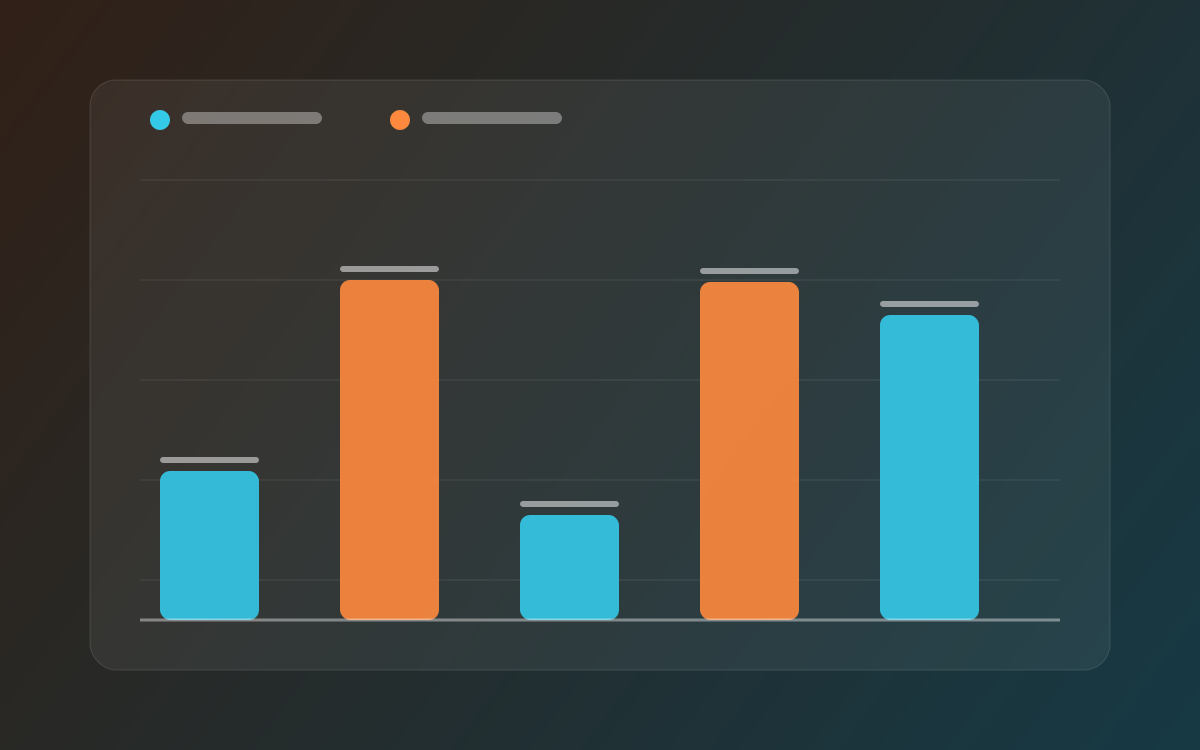
For Starter Vape Kit, the useful answer depends on the conditions described below. The table condenses the figures and documents that change a purchasing decision. Treat the ranges as typical as typical rather than fixed, and ask the supplier to confirm the values that apply to your model.
| Risk area | What to check | Evidence to ask for | Residual risk |
|---|---|---|---|
| Battery integrity | Wrap, vent, protection circuit | UN38.3 and IEC 62133 reports | Thermal events |
| Charging path | Input rating, overcharge cut-off | 5V/1A adapter, protected board | Overheating and cell stress |
| Liquid composition | PG/VG ratio, flavourings, nicotine source | Safety data sheet, ingredient list | Irritation and sensitisation |
| Aerosol metals | Coil alloy and temperature | Lab aerosol test | Trace metal exposure |
| Device condition | Coil age, dry hits, residue | Maintenance schedule | Aldehyde formation |
Step by step
- Confirm the destination market and the product category
- Check the current limit values for tank size, nicotine and packaging
- Match the model number to a test report
- Approve artwork and warning text before production
- Keep a batch record with the shipping documents
Practical notes
Risk in this category is dominated by battery handling, liquid quality and device condition rather than by the presence of a heating element. Risk in this category is dominated by battery handling, liquid quality and device condition rather than by the presence of a heating element. Exposure falls when power stays inside the coil rating and the wick never runs dry.
Questions people ask
What decides cbd & thc risks for is starter vape kit safe??
Vitamin E acetate was identified by US CDC as a primary cause in the 2019 EVALI outbreak. Avoid illicit cartridges entirely.
Is the device itself the main risk?
Battery and charging faults account for most reported incidents, not the aerosol. Protected cells, a compliant charger and an unscratched wrap remove the majority of that risk.
How does this compare with smoking cigarettes?
Public health bodies in the UK and elsewhere describe vaping as substantially less harmful than smoking, while noting it is not risk-free. The comparison is with combustible tobacco, not with breathing clean air.
What does the aerosol actually contain?
Typically propylene glycol, vegetable glycerin, nicotine, flavourings and trace metals from the coil. The exact mix depends on the liquid, the power setting and the condition of the coil.
Are there long-term studies?
Follow-up periods are still short compared with tobacco, so the honest position is that long-term effects are not fully characterised. Regulators publish periodic reviews as evidence accumulates.
Related guides
- CBD & THC Risks in NumbersCBD & THC Risks, with the figures and documents that decide it.
- CBD & THC Risks Beginner GuideCBD & THC Risks, with the figures and documents that decide it.
- Heated Tobacco Risk 2026 UpdateHeated Tobacco Risk, with the figures and documents that decide it.
- Recalls & Reporting Cost BreakdownRecalls & Reporting, with the figures and documents that decide it.
- Aerosol Chemistry Field NotesAerosol Chemistry, with the figures and documents that decide it.
- Charging & Overheating Common MistakesCharging & Overheating, with the figures and documents that decide it.
Regulatory and technical details on this page are a practical summary for buyers and operators, current as of 2026. Rules, limits and standards change; confirm the position with the relevant authority and with your supplier's documentation before shipping or selling.