Is Starter Vape Kit Safe? Official Health Advice — What changed for 2026
Direct answer
Official positions differ, and the difference is mostly about framing rather than about the underlying science. UK guidance supports switching for adult smokers and describes vaping as less harmful than smoking; WHO and several other agencies emphasise precaution and youth protection. UK guidance supports vaping as a quit aid for adult smokers; WHO guidance emphasises precaution and youth protection. Documentation separates a claim from a fact: model number, test standard, laboratory and date are the four fields that matter. Where the evidence is thin the guide says so, which is more useful than a confident claim. Anyone handling stock should know the difference between a compliance document and a certificate of conformity issued without testing.
Risk with Starter Vape Kit concentrates in a short list: cell condition, charging path, coil condition and liquid quality. Everything else on a specification sheet is secondary to those four, which is why they lead below.
What regulators actually say
For Starter Vape Kit, the useful answer depends on the conditions described below. Reading the source document matters more than reading a summary of it. The UK position comes from successive evidence reviews commissioned by Public Health England and its successor body. WHO's position papers stress that vaping is not harmless and that regulation should prevent uptake by non-smokers. Both can be true at once, and a vendor's marketing should never present either as an endorsement of a specific product.
- Never present guidance as product endorsement
- Keep a copy in your compliance file
- Read the primary document, not a summary
- Read the ingredient list on the bottle
- Store liquid away from children and heat
What changed for 2026
If the question is Starter Vape Kit, start here and work outward. Rules and product lines both moved again this year. Disposable restrictions tightened in several markets, tax treatment shifted in others, and suppliers re-specified batteries and pods to stay inside new limits. Anything written before those changes should be re-checked against a current document before it is used for a purchasing decision.
- Re-verify limits against the current regulator notice
- Ask suppliers for this year's test reports
- Check that packaging reflects the latest warnings
The figures that matter
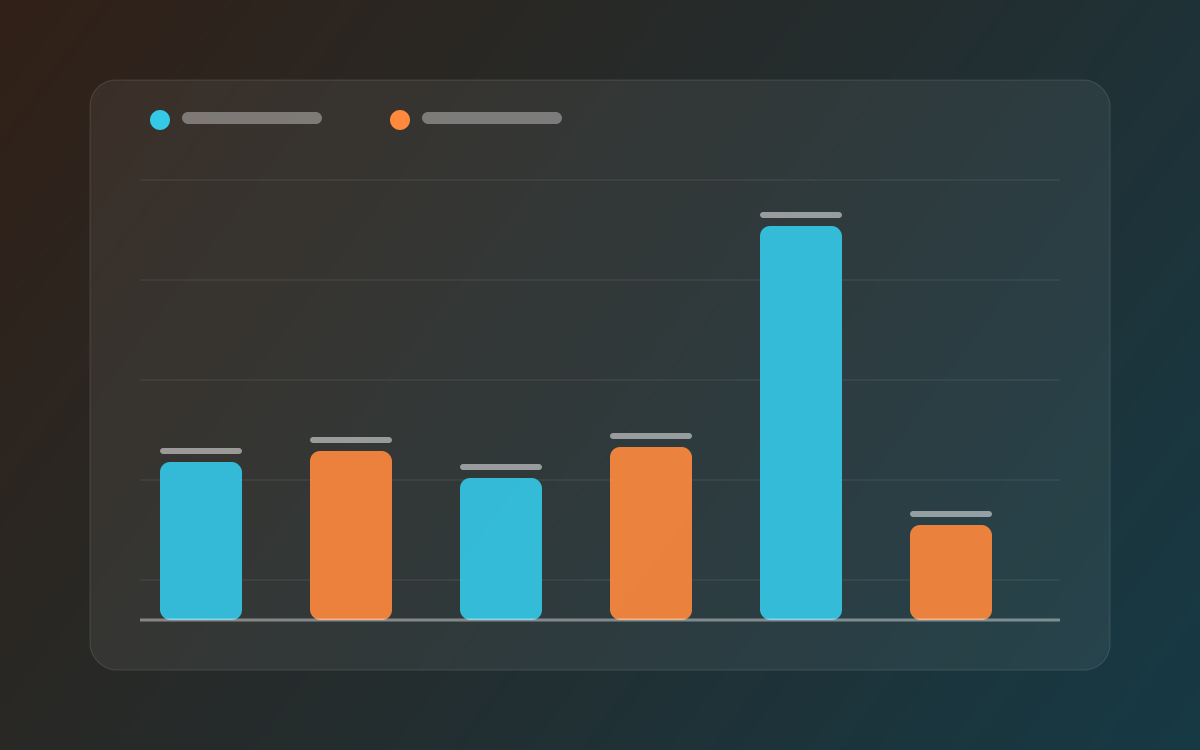
Against the wider Starter Vape Kit evidence, this is the narrowest but most useful finding. Use this as a screening sheet. Anything the supplier cannot answer in these rows is a question to resolve before a purchase order, not after.
| Risk area | What to check | Evidence to ask for | Residual risk |
|---|---|---|---|
| Documentation | Model-to-report match | Test report with date and lab | Unverified claims |
| Battery integrity | Wrap, vent, protection circuit | UN38.3 and IEC 62133 reports | Thermal events |
| Charging path | Input rating, overcharge cut-off | 5V/1A adapter, protected board | Overheating and cell stress |
| Liquid composition | PG/VG ratio, flavourings, nicotine source | Safety data sheet, ingredient list | Irritation and sensitisation |
| Aerosol metals | Coil alloy and temperature | Lab aerosol test | Trace metal exposure |
Step by step
- Read the filling instructions once
- Prime the coil and wait
- Charge with a 5V adapter
- Keep the device out of hot cars
- Replace consumables on a schedule rather than on failure
In practice
Documentation separates a claim from a fact: model number, test standard, laboratory and date are the four fields that matter. Documentation separates a claim from a fact: model number, test standard, laboratory and date are the four fields that matter. The honest summary is that risk is real, measurable and driven mostly by device condition and charging habits.
Questions people ask
What decides official health advice for is starter vape kit safe??
UK guidance supports vaping as a quit aid for adult smokers; WHO guidance emphasises precaution and youth protection. Read the primary document, not a summary.
Is a certified product automatically safe?
No. Certification confirms the sample met a standard at a point in time. Consistency across production batches is a separate question answered by factory QC records.
Is the device itself the main risk?
Battery and charging faults account for most reported incidents, not the aerosol. Protected cells, a compliant charger and an unscratched wrap remove the majority of that risk.
How does this compare with smoking cigarettes?
Public health bodies in the UK and elsewhere describe vaping as substantially less harmful than smoking, while noting it is not risk-free. The comparison is with combustible tobacco, not with breathing clean air.
What does the aerosol actually contain?
Typically propylene glycol, vegetable glycerin, nicotine, flavourings and trace metals from the coil. The exact mix depends on the liquid, the power setting and the condition of the coil.
Related guides
- Official Health Advice ExplainedOfficial Health Advice, with the figures and documents that decide it.
- Official Health Advice in NumbersOfficial Health Advice, with the figures and documents that decide it.
- Recalls & Reporting 2026 UpdateRecalls & Reporting, with the figures and documents that decide it.
- Nicotine Absorption 2026 UpdateNicotine Absorption, with the figures and documents that decide it.
- Aerosol Chemistry 2026 UpdateAerosol Chemistry, with the figures and documents that decide it.
- Battery & Thermal Risk 2026 UpdateBattery & Thermal Risk, with the figures and documents that decide it.
Regulatory and technical details on this page are a practical summary for buyers and operators, current as of 2026. Rules, limits and standards change; confirm the position with the relevant authority and with your supplier's documentation before shipping or selling.