Is Starter Vape Kit Safe? Heavy Metal Transfer — Field notes from real shipments
Direct answer
Coil alloy and temperature determine how much metal ends up in the aerosol. Studies have reported nickel, chromium, lead and manganese at low concentrations, with levels rising when coils are new, overheated or corroded. The effect is measurable and generally small compared with combustible smoke. Aerosol metal concentrations in published studies are usually one to two orders of magnitude below cigarette smoke. Documentation separates a claim from a fact: model number, test standard, laboratory and date are the four fields that matter. The honest summary is that risk is real, measurable and driven mostly by device condition and charging habits.
Risk with Starter Vape Kit concentrates in a short list: cell condition, charging path, coil condition and liquid quality. Everything else on a specification sheet is secondary to those four, which is why they lead below.
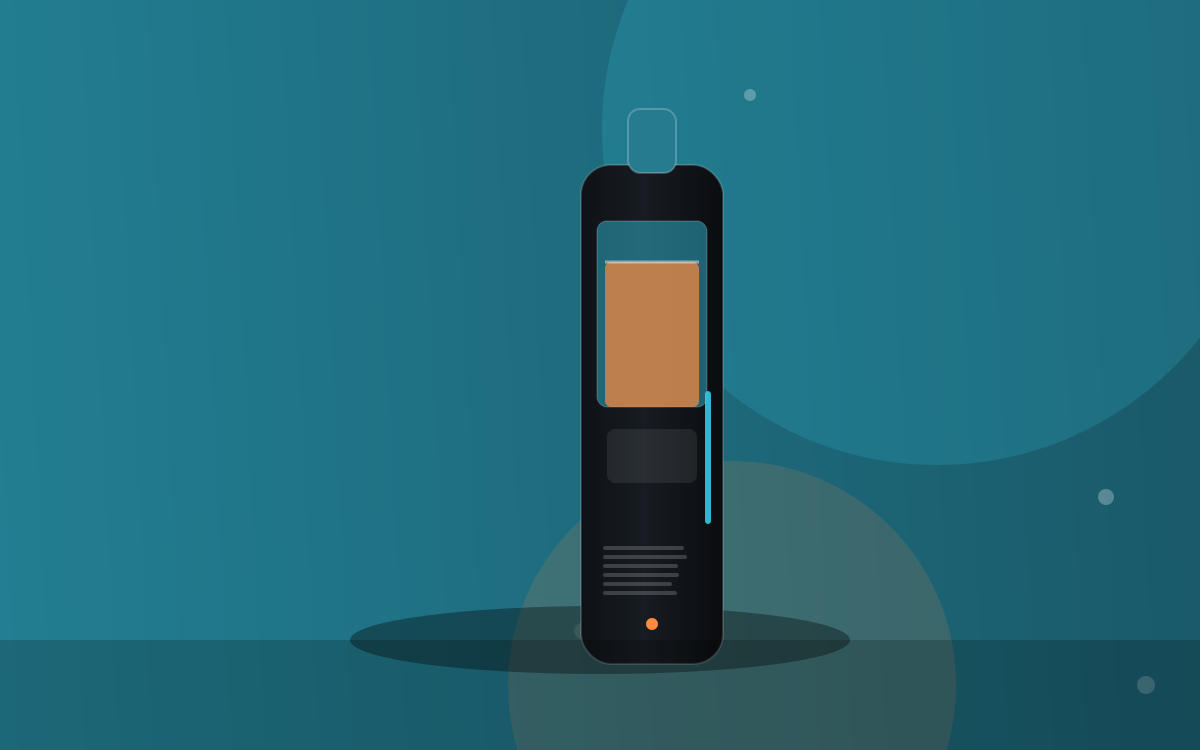
Metals from the coil into the aerosol
Read this in the context of Starter Vape Kit: the measurement conditions matter as much as the result. Kanthal, stainless steel and nichrome behave differently, and a coil run above its rated power sheds more material. Visible corrosion or a blackened, pitted coil is a reason to replace it rather than clean it. For buyers, the useful control is a specification that names the alloy and a factory test that reports aerosol metals at the intended wattage.
- Ask for aerosol metal analysis at rated power
- Avoid dry-burning a coil to clean it
- Specify the coil alloy in writing
- Check the wrap on any removable cell
- Keep the device below the rated wattage
Field notes from real shipments
For Starter Vape Kit, the following is what can be checked rather than assumed. Field notes are what the spec sheet leaves out. On the shop floor, returns cluster around the first ten days, damage clusters around transit, and stock that sits for a season behaves differently from stock that moves. Recording these patterns turns a vague sense of quality into something a buyer can act on.
- Log returns by batch, not by month
- Inspect cartons for compression damage on arrival
- Rotate stock so older batches ship first

The figures that matter
For Starter Vape Kit, the useful answer depends on the conditions described below. Figures are stated in the units a buyer sees on a quotation, so they can be compared without conversion.
| Risk area | What to check | Evidence to ask for | Residual risk |
|---|---|---|---|
| Aerosol metals | Coil alloy and temperature | Lab aerosol test | Trace metal exposure |
| Device condition | Coil age, dry hits, residue | Maintenance schedule | Aldehyde formation |
| Age control | Verification at point of sale | ID check policy and logs | Youth access |
| Documentation | Model-to-report match | Test report with date and lab | Unverified claims |
| Battery integrity | Wrap, vent, protection circuit | UN38.3 and IEC 62133 reports | Thermal events |
Step by step
- Read the filling instructions once
- Prime the coil and wait
- Charge with a 5V adapter
- Keep the device out of hot cars
- Replace consumables on a schedule rather than on failure
Operational notes
Documentation separates a claim from a fact: model number, test standard, laboratory and date are the four fields that matter. Risk in this category is dominated by battery handling, liquid quality and device condition rather than by the presence of a heating element. Anyone with an existing condition should treat a product page as background, not as medical advice.
Questions people ask
What decides heavy metal transfer for is starter vape kit safe??
Aerosol metal concentrations in published studies are typically one to two orders of magnitude below cigarette smoke. Specify the coil alloy in writing.
How does this compare with smoking cigarettes?
Public health bodies in the UK and elsewhere describe vaping as substantially less harmful than smoking, while noting it is not risk-free. The comparison is with combustible tobacco, not with breathing clean air.
What does the aerosol actually contain?
Typically propylene glycol, vegetable glycerin, nicotine, flavourings and trace metals from the coil. The exact mix depends on the liquid, the power setting and the condition of the coil.
Are there long-term studies?
Follow-up periods are still short compared with tobacco, so the honest position is that long-term effects are not fully characterised. Regulators publish periodic reviews as evidence accumulates.
How can a buyer verify a safety claim?
Ask for the test report behind it: standard used, laboratory, date, model number and the specific test item. A certificate without a matching model number proves very little.
Related guides
- Heavy Metal Transfer ExplainedHeavy Metal Transfer, with the figures and documents that decide it.
- Heavy Metal Transfer in NumbersHeavy Metal Transfer, with the figures and documents that decide it.
- CE, FCC & RoHS Checks Beginner GuideCE, FCC & RoHS Checks, with the figures and documents that decide it.
- Counterfeit Risk 2026 UpdateCounterfeit Risk, with the figures and documents that decide it.
- Pregnancy Considerations Common MistakesPregnancy Considerations, with the figures and documents that decide it.
- Oral Health Effects in NumbersOral Health Effects, with the figures and documents that decide it.
Regulatory and technical details on this page are a practical summary for buyers and operators, current as of 2026. Rules, limits and standards change; confirm the position with the relevant authority and with your supplier's documentation before shipping or selling.