Is Starter Vape Kit Safe? Charging & Overheating — The buyer checklist
Direct answer
Charging is where small cells are stressed most. A charger that negotiates a higher voltage than the board expects, a cable with a damaged connector, or charging on a soft surface all raise temperature. The majority of charging incidents happen unattended, which is precisely when they are least manageable. A cell that is warm to the touch an hour after charging has finished is a failing cell, not a full one. Documentation separates a claim from a fact: model number, test standard, laboratory and date are the four fields that matter. The honest summary is that risk is real, measurable and driven mostly by device condition and charging habits.
Risk with Starter Vape Kit concentrates in a short list: cell condition, charging path, coil condition and liquid quality. Everything else on a specification sheet is secondary to those four, which is why they lead below.
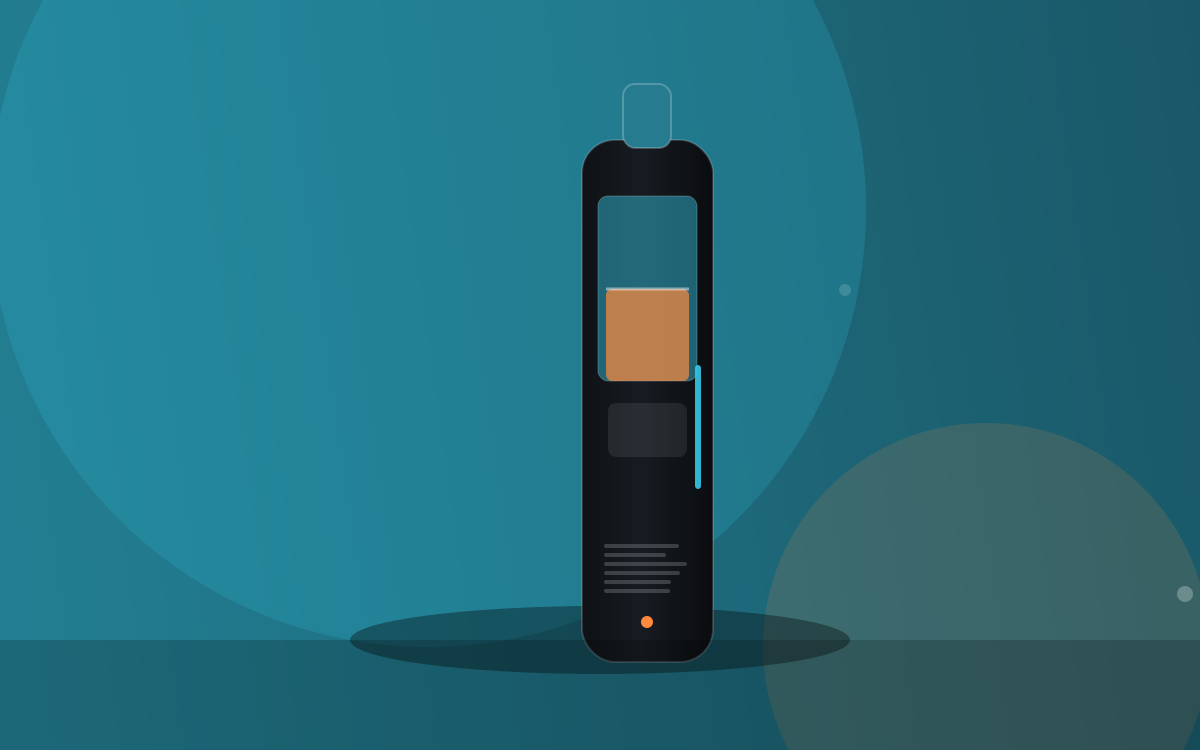
Charging faults and heat build-up
If the question is Starter Vape Kit, start here and work outward. A standard 5V/1A adapter is the safest default for a small internal cell. Fast-charge protocols are not inherently dangerous, but they assume a board designed for the current, and inexpensive devices often are not. Charge on a hard surface, keep the port dry, and stop using a device that becomes noticeably hot while idle, because that points to a failing cell rather than a charger.
- Inspect the port for debris and corrosion
- Replace damaged cables rather than tape them
- Use a 5V/1A adapter as the default
- Replace a coil at the first burnt taste
- Ask for the test report date, not the logo
The buyer checklist
For Starter Vape Kit, the useful answer depends on the conditions described below. A checklist is only useful if every line can be answered yes or no. For hardware that means a model number, a test report, a packaging spec and a stated lead time. Anything that cannot be documented should be treated as unverified, however convincing the sample feels in the hand.
- Match the model number on the box to the report
- Confirm packaging language and warning text
- Get lead time and MOQ in writing
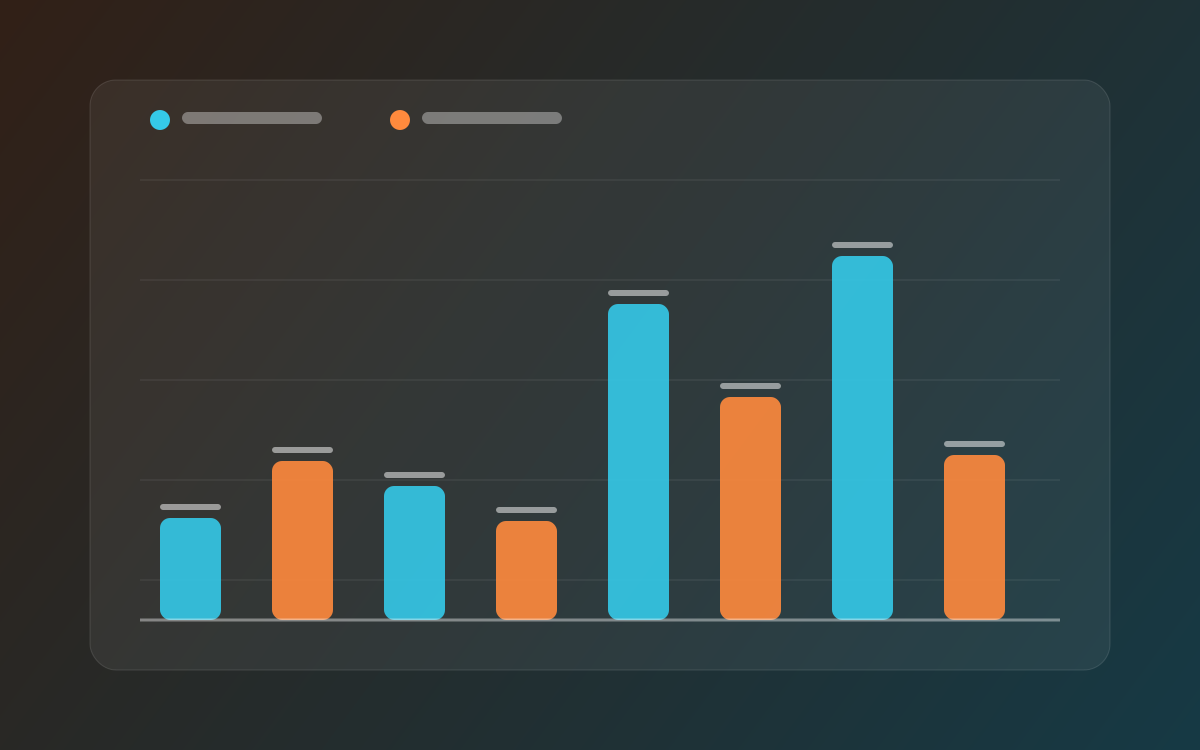
The figures that matter
Read this in the context of Starter Vape Kit: the measurement conditions matter as much as the result. The table condenses the figures and documents that change a purchasing decision. Treat the ranges as typical as typical rather than fixed, and ask the supplier to confirm the values that apply to your model.
| Risk area | What to check | Evidence to ask for | Residual risk |
|---|---|---|---|
| Aerosol metals | Coil alloy and temperature | Lab aerosol test | Trace metal exposure |
| Device condition | Coil age, dry hits, residue | Maintenance schedule | Aldehyde formation |
| Age control | Verification at point of sale | ID check policy and logs | Youth access |
| Documentation | Model-to-report match | Test report with date and lab | Unverified claims |
| Battery integrity | Wrap, vent, protection circuit | UN38.3 and IEC 62133 reports | Thermal events |
Step by step
- Read the filling instructions once
- Prime the coil and wait
- Charge with a 5V adapter
- Keep the device out of hot cars
- Replace consumables on a schedule rather than on failure
Operational notes
The useful question is not whether a product is safe in the abstract but which specific risk is being controlled and how it is verified. Risk in this category is dominated by battery handling, liquid quality and device condition rather than by the presence of a heating element. Where the evidence is thin the guide says so, which is more useful than a confident claim.
Questions people ask
What decides charging & overheating for is starter vape kit safe??
A cell that is warm to the touch an hour after charging has finished is a failing cell, not a full one. Use a 5V/1A adapter as the default.
Do nicotine strength and risk scale together?
Nicotine strength affects dependence and throat harshness more than acute harm at typical retail concentrations, but higher strength does mean more nicotine per puff, which matters for anyone monitoring intake.
What should a retailer keep on file?
Test reports, safety data sheets for liquids, batch records, age-verification policy and a recall contact. That file is what an inspector asks for first.
Is a certified product automatically safe?
No. Certification confirms the sample met a standard at a point in time. Consistency across production batches is a separate question answered by factory QC records.
Is the device itself the main risk?
Battery and charging faults account for most reported incidents, not the aerosol. Protected cells, a compliant charger and an unscratched wrap remove the majority of that risk.
Related guides
- Charging & Overheating ExplainedCharging & Overheating, with the figures and documents that decide it.
- Charging & Overheating in NumbersCharging & Overheating, with the figures and documents that decide it.
- Flavourings & Irritation Field NotesFlavourings & Irritation, with the figures and documents that decide it.
- Dry Hits & Aldehydes 2026 UpdateDry Hits & Aldehydes, with the figures and documents that decide it.
- Youth Access Controls in NumbersYouth Access Controls, with the figures and documents that decide it.
- Heart & Blood Pressure Buyer ChecklistHeart & Blood Pressure, with the figures and documents that decide it.
Regulatory and technical details on this page are a practical summary for buyers and operators, current as of 2026. Rules, limits and standards change; confirm the position with the relevant authority and with your supplier's documentation before shipping or selling.