Is Starter Vape Kit Safe? Charging & Overheating — Where the money goes
Direct answer
Charging is where small cells are stressed most. A charger that negotiates a higher voltage than the board expects, a cable with a damaged connector, or charging on a soft surface all raise temperature. Most charging incidents happen unattended, which is precisely when they are least manageable. A cell that is warm to the touch an hour after charging has finished is a failing cell, not a full one. Documentation separates a claim from a fact: model number, test standard, laboratory and date are the four fields that matter. Exposure falls when power stays inside the coil rating and the wick never runs dry.
Risk with Starter Vape Kit concentrates in a short list: cell condition, charging path, coil condition and liquid quality. Everything else on a specification sheet is secondary to those four, which is why they lead below.
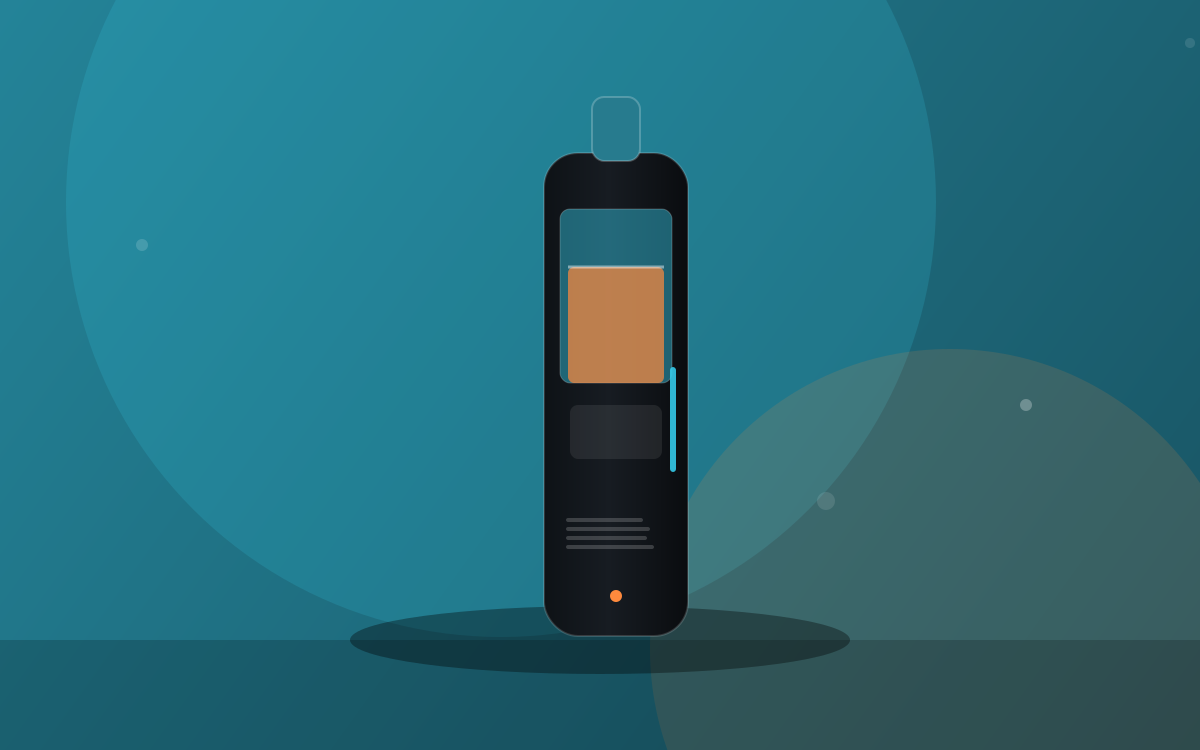
Charging faults and heat build-up
This is the part of the Starter Vape Kit question that a product page usually leaves out. A standard 5V/1A adapter is the safest default for a small internal cell. Fast-charge protocols are not inherently dangerous, but they assume a board designed for the current, and inexpensive devices often are not. Charge on a hard surface, keep the port dry, and stop using a device that becomes noticeably hot while idle, because that points to a failing cell rather than a charger.
- Inspect the port for debris and corrosion
- Replace damaged cables rather than tape them
- Use a 5V/1A adapter as the default
- Check the wrap on any removable cell
- Keep the device below the rated wattage
Where the money goes
For Starter Vape Kit, the following is what can be checked rather than assumed. The sticker price is the smallest part of the story. Hardware is a one-off, consumables are a subscription, and time spent cleaning, charging and hunting for spares is a real cost that never appears on an invoice. A 12-month view is the only honest way to compare two formats.
- Split one-off hardware from recurring consumables
- Price consumables at your actual usage rate
- Include time and shipping in the total
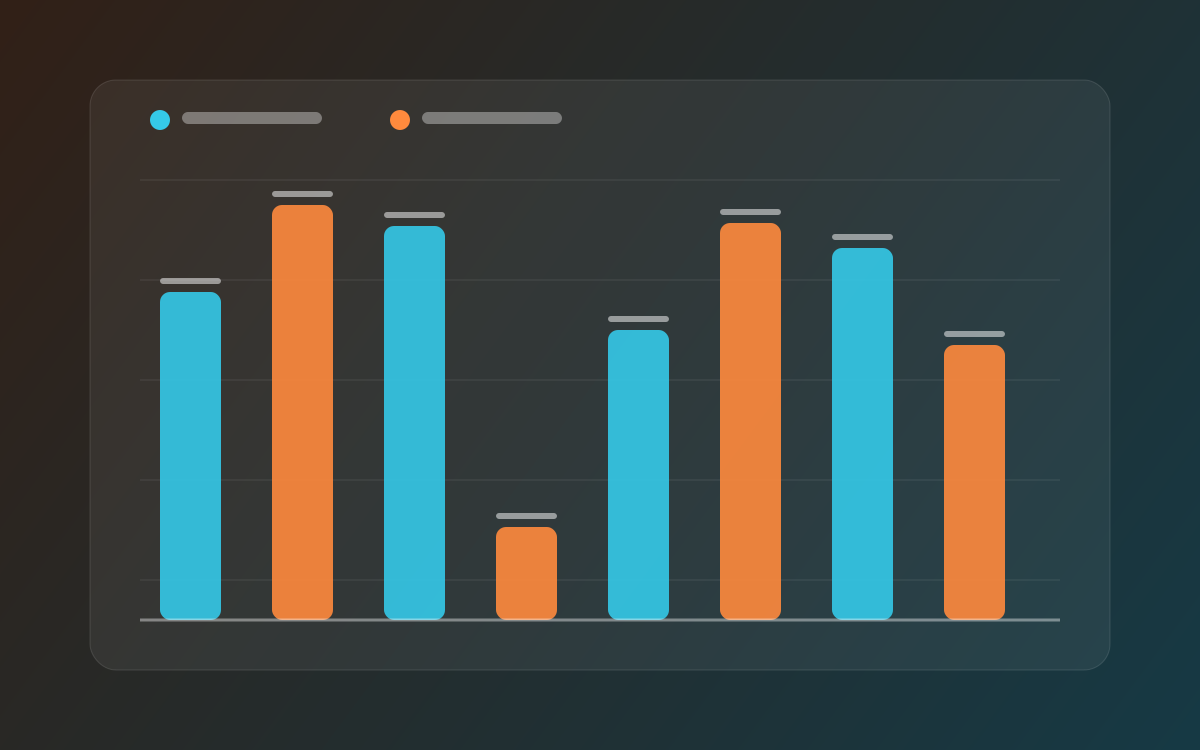
The figures that matter
This is the part of the Starter Vape Kit question that a product page usually leaves out. Figures are stated in the units a buyer sees on a quotation, so they can be compared without conversion.
| Risk area | What to check | Evidence to ask for | Residual risk |
|---|---|---|---|
| Device condition | Coil age, dry hits, residue | Maintenance schedule | Aldehyde formation |
| Age control | Verification at point of sale | ID check policy and logs | Youth access |
| Documentation | Model-to-report match | Test report with date and lab | Unverified claims |
| Battery integrity | Wrap, vent, protection circuit | UN38.3 and IEC 62133 reports | Thermal events |
| Charging path | Input rating, overcharge cut-off | 5V/1A adapter, protected board | Overheating and cell stress |
Step by step
- Read the filling instructions once
- Prime the coil and wait
- Charge with a 5V adapter
- Keep the device out of hot cars
- Replace consumables on a schedule rather than on failure
Practical notes
Anyone handling stock should know the difference between a compliance document and a certificate of conformity issued without testing. The useful question is not whether a product is safe in the abstract but which specific risk is being controlled and how it is verified. Anyone with an existing condition should treat a product page as background, not as medical advice.
Questions people ask
What decides charging & overheating for is starter vape kit safe??
A cell that is warm to the touch an hour after charging has finished is a failing cell, not a full one. Use a 5V/1A adapter as the default.
How does this compare with smoking cigarettes?
Public health bodies in the UK and elsewhere describe vaping as substantially less harmful than smoking, while noting it is not risk-free. The comparison is with combustible tobacco, not with breathing clean air.
What does the aerosol actually contain?
Typically propylene glycol, vegetable glycerin, nicotine, flavourings and trace metals from the coil. The exact mix depends on the liquid, the power setting and the condition of the coil.
Are there long-term studies?
Follow-up periods are still short compared with tobacco, so the honest position is that long-term effects are not fully characterised. Regulators publish periodic reviews as evidence accumulates.
How can a buyer verify a safety claim?
Ask for the test report behind it: standard used, laboratory, date, model number and the specific test item. A certificate without a matching model number proves very little.
Related guides
- Charging & Overheating ExplainedCharging & Overheating, with the figures and documents that decide it.
- Charging & Overheating in NumbersCharging & Overheating, with the figures and documents that decide it.
- Flavourings & Irritation 2026 UpdateFlavourings & Irritation, with the figures and documents that decide it.
- CE, FCC & RoHS Checks ExplainedCE, FCC & RoHS Checks, with the figures and documents that decide it.
- Youth Access Controls in NumbersYouth Access Controls, with the figures and documents that decide it.
- Heart & Blood Pressure Beginner GuideHeart & Blood Pressure, with the figures and documents that decide it.
Regulatory and technical details on this page are a practical summary for buyers and operators, current as of 2026. Rules, limits and standards change; confirm the position with the relevant authority and with your supplier's documentation before shipping or selling.